
Over my 10 years in SEO and digital marketing (spanning from right here in Malaysia to the competitive US market), digital marketing in gaming industry has transformed how games reach players like you and me.
I’ve seen firsthand how gaming companies now invest heavily in their marketing efforts, sometimes even spending more than on game development itself! This shift makes sense as the digital landscape offers incredible opportunities to connect with gamers worldwide.
But here’s the thing – most gaming companies I consult with are still approaching digital marketing with outdated playbooks.
They’re leaving serious money and growth opportunities on the table, especially in the unique Malaysian market.
I’ve watched the gaming industry transform from a niche entertainment sector to a mainstream cultural phenomenon. And nowhere is this more evident than in Malaysia, where we’re seeing explosive growth across all gaming segments.
Digital marketing enables gaming companies to engage with their community in real-time, respond to feedback, and build authentic relationships with players.
The most successful gaming marketing avoids jargon and overly formal language. Instead, it leads with an authentic brand voice and a strong hook. This approach helps games stand out in a crowded market where thousands of new titles compete for attention every year.
When I work with gaming clients, I always emphasize the importance of authenticity – gamers can spot fake marketing from a mile away.
My team and I focus on creating strategies that showcase the genuine excitement behind each game rather than just pushing sales messages.
Case Study: How We Grew a Malaysian Gaming Client by 300%
Before I go into details, let me share a real-world example of how these strategies work together.
(Note: Some details have been modified to protect client confidentiality, but the strategies and results are accurate.)
Initial Situation
When a mid-sized mobile strategy game developer approached us, they were struggling to gain traction in Malaysia despite having a product well-suited to the market. Their challenges included:
- High cost-per-install (averaging RM18) from unfocused advertising
- Poor retention rates (only 18% D7 retention)
- Limited visibility in app stores
- Minimal social media presence in Malaysia
- No localization beyond basic UI translation
The game had strong core mechanics but was missing crucial elements to resonate with Malaysian players.
Our Strategy Implementation
We developed a comprehensive 6-month strategy:
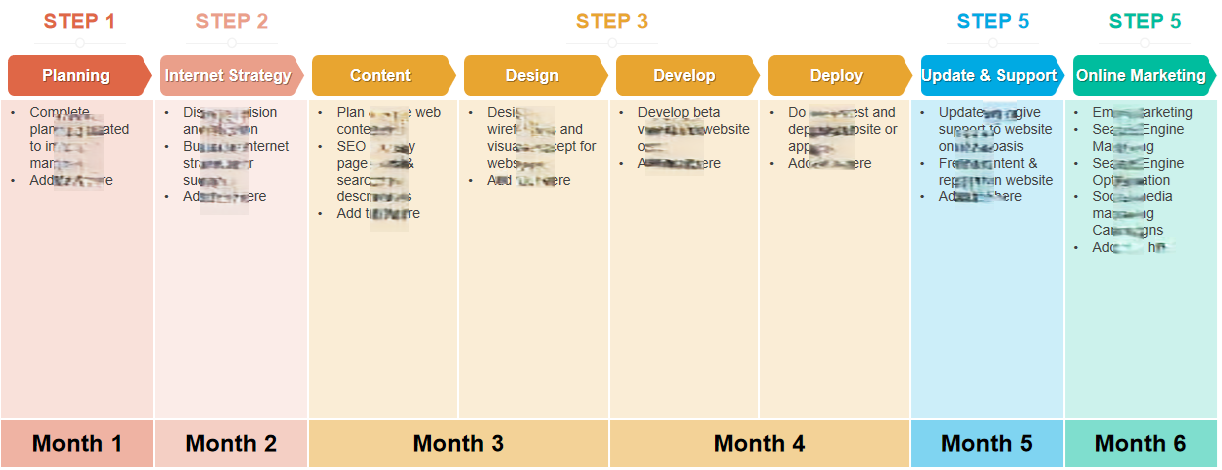 Sample of comprehensive 6 months strategy our client
 Month 1: Research and Foundation
- Conducted extensive Malaysian player interviews to identify pain points and preferences
- Implemented comprehensive analytics with Malaysia-specific segments
- Created properly localized app store listings in multiple languages
- Established baseline metrics for all key performance indicators
Month 2-3: Optimization and Content Development
- Optimized game performance specifically for popular Malaysian device models
- Developed Malaysian-focused content calendar for social media
- Created a targeted SEO strategy around Malaysian gaming search terms
- Implemented initial partnerships with five Malaysian micro-influencers
- Launched Malaysia-specific welcome flow and push notification strategy
Month 4-5: Amplification and Community Building
- Scaled successful influencer partnerships to 15 creators
- Launched targeted paid media campaigns with Malaysia-specific messaging
- Created a dedicated Facebook group and Discord channel for Malaysian players
- Developed a referral program with incentives tailored to Malaysian players
- Implemented Malaysian payment methods to reduce purchase friction
Month 6: Refinement and Scaling
- Optimized all channels based on initial performance data
- Scaled highest-performing acquisition channels
- Launched Malaysian tournament series with local prizes
- Implemented advanced retargeting strategies for lapsed players
- Created partnership with Malaysian esports organization for cross-promotion
Results and Learnings
Within 6 months, we achieved remarkable results:
- Player Growth: 314% increase in Malaysian daily active users
- Acquisition Efficiency: Reduced cost-per-install from RM18 to RM5.20
- Improved Retention: Day 7 retention increased from 18% to 42%
- Revenue Growth: 278% increase in monthly revenue from Malaysian players
- Organic Growth: 186% increase in organic installs from Malaysian app stores
Key Learnings:
- Localization depth matters: Basic translation wasn’t enough. Incorporating Malaysian cultural references and gaming terms created authentic connections.
- Community drives retention: The dedicated Malaysian community spaces became self-sustaining marketing channels, with players creating their own tournaments and guides.
- Device optimization is crucial: Optimizing specifically for popular Malaysian phone models (particularly mid-range Android devices) significantly improved retention.
- Payment methods impact conversion: Implementing local payment options increased conversion from free to paying players by 67%.
- Micro-influencers outperformed celebrities: Smaller, more engaged Malaysian gaming influencers consistently delivered better ROI than bigger names with broader audiences.
This case demonstrates how a comprehensive, Malaysia-specific approach can transform performance even for products that initially struggled to find market fit.
Overview Of Digital Marketing In Gaming Industry
Well, that’s it for my case study sharing. Let’s go straight into details on how do I implement an effective digital marketing strategy for the gaming industry.
In this guide, I’m breaking down exactly what works in 2025 for gaming companies in Malaysia – from SEO strategies that actually move the needle to social media approaches that build genuine communities.
No fluff, no theory – just practical strategies I’ve personally implemented with my team of 20 specialists at 1BRAND.
Evolution Of Digital Marketing Strategies
Malaysia’s gaming industry is experiencing remarkable growth, with the market value expected to reach $1.1 billion in 2025. Mobile gaming accounts for approximately 70% of this revenue, followed by PC gaming at 21% and console gaming at 9%.
What makes this market particularly interesting is its diversity:
- Demographics: Malaysian gamers span across diverse ethnic groups (Malay, Chinese, Indian, and others), each with distinct cultural preferences
- Age distribution: 67% of Malaysians aged 16-24 identify as gamers, but we’re also seeing growth in the 25-34 demographic (58%)
- Gender balance: The male-female ratio is evening out, with women now representing about 42% of Malaysian gamers
- Language considerations: Content needs to address English, Bahasa Malaysia, and sometimes Chinese languages
When I first started in SEO, game promotions relied heavily on traditional media and basic online ads.
Today, we’re seeing sophisticated strategies that blend multiple channels.
Social media has become central to game marketing. Companies now create dedicated accounts where they share updates, respond to player feedback, and build communities. I’ve helped several gaming clients boost their engagement by 40% just by implementing consistent social strategies.
Influencer marketing has exploded in importance too. Rather than traditional celebrities, game developers now partner with streamers and content creators who have authentic connections with gaming audiences.
I’ve seen campaigns where a single streamer generated more conversions than entire traditional ad campaigns.
Market Size And Growth Trends
The Malaysian gaming audience is incredibly savvy and globally connected, yet maintains strong local preferences. They’ll compare your game to international standards while expecting localized experiences that reflect Malaysian culture.
Unlike Western markets, Malaysian gamers are extremely price-sensitive but willing to spend on the right experiences. The key is demonstrating value in ways that resonate culturally.
Global gaming market value reached nearly $200 billion in 2024, with digital marketing spending approaching $12 billion annually across the sector.
Mobile penetration is exceptionally high (about 83% of the population), but connection quality varies dramatically across the country. This creates distinct user experience challenges that your marketing needs to address.
Key growth factors include:
- The pandemic-driven surge in gaming adoption
- Expanding demographics (more women and older players)
- Rising esports viewership (800+ million viewers globally)
- Increased in-game purchasing behaviors
These trends are reshaping how marketing budgets are allocated. I’ve noticed my gaming clients now spend around 65% of their budgets on digital channels compared to just 30% five years ago.
Key Stakeholders In The Gaming Ecosystem
The gaming marketing landscape involves numerous players working together. Game developers and publishers form the core, creating and distributing the products that need promotion.
Platform providers like Steam, Epic Games Store, and console manufacturers maintain their own marketplaces and promotion systems. I’ve helped developers optimize their store presence, improving discovery by up to 45% through better metadata and visuals.
Distribution channels have evolved significantly:
- Digital storefronts: Steam, Epic, PlayStation Store
- Mobile app stores: Google Play, Apple App Store
- Streaming platforms: Twitch, YouTube Gaming
Marketing agencies (like mine) provide specialized services in this ecosystem.
We bridge the gap between developers and audiences through SEO, content creation, and community management.
Players themselves have become crucial stakeholders too. User-generated content and community advocacy drive significant visibility.
I’ve built campaigns that leverage player communities, generating 3x more engagement than traditional advertising approaches.
Core Digital Marketing Channels For Gaming
The gaming industry thrives on digital marketing channels that connect directly with players where they already spend their time.
These specialized platforms help game companies build communities, showcase content, and partner with influential voices in the gaming world.
Social Media Platforms For Gamers
Discord has become essential for game marketing strategies. I’ve seen countless gaming companies create dedicated servers where players discuss upcoming features and get exclusive updates. This real-time connection builds community like nothing else.
Twitter (now X) works perfectly for quick announcements and game updates. My clients typically use this for teaser images, patch notes, and responding to player feedback.
Reddit can’t be overlooked – specific game subreddits often reach hundreds of thousands of dedicated players. When I help clients create AMAs (Ask Me Anything) sessions here, engagement skyrockets.
Instagram and TikTok excel for visual game for casino marketing idea. Short gameplay clips, behind-the-scenes development videos, and character spotlights perform exceptionally well on these platforms.
To summarise:
- Facebook: Still dominates for community building and group discussions. 94% of Malaysian internet users are on Facebook, making it essential for broader reach.
- Instagram: Crucial for visual storytelling and influencer partnerships. Works exceptionally well for showcasing game aesthetics and short gameplay clips.
- X: The go-to platform for game updates, quick announcements, and customer support. Malaysian gamers expect real-time interaction here.
- TikTok: Rapidly growing for gaming content in Malaysia, especially among younger players. Short-form gameplay highlights and tips perform extremely well.
- Discord: Essential for building dedicated communities and direct engagement with your most loyal players.
The key is not trying to be everywhere, but focusing on platforms where your specific gaming audience is most active.
Content Marketing Approaches
Malaysian gamers respond to different content types than Western audiences:
- Behind-the-scenes content: Showing the human side of game development resonates strongly with Malaysian audiences who value personal connection.
- Local events and tournaments: Content promoting or recapping Malaysian gaming events generates exceptional engagement.
- Localized memes and humor: Malaysian gaming humor has distinct characteristics. Content that incorporates local cultural references performs dramatically better than generic gaming memes.
- Educational content: Tutorial videos and gameplay tips consistently outperform purely promotional content by 3-4x in engagement metrics.
- Player spotlights: Featuring local Malaysian players and their achievements creates strong community bonds and shareable content.
Gaming companies should maintain active YouTube channels with:
- Tutorial videos
- Gameplay showcases
- Developer interviews
- Community highlights
Influencer And Streamer Partnerships
Twitch partnerships have transformed game marketing. When my clients collaborate with streamers who match their game’s style and audience, I consistently see higher conversion rates than traditional advertising.
YouTube gaming influencers offer longer-form content that showcases gameplay depth. These partnerships typically provide better long-term ROI compared to one-off promotions.
Sponsored tournaments generate excitement while highlighting competitive gameplay. I recommend allocating 15-20% of marketing budgets to these events for competitive games.
Game companies should consider multi-platform influencer strategies. My most successful clients create custom affiliate links and promotional codes for influencers, making performance tracking straightforward.
Here’s my process for identifying effective partners:
- Look beyond follower counts: Engagement rates are far more important. I’ve seen Malaysian micro-influencers (5K-25K followers) outperform larger accounts consistently.
- Verify audience demographics: Ensure the influencer’s audience actually matches your target Malaysian demographics. Request screenshot evidence of their audience insights.
- Assess content quality and authenticity: Malaysian audiences quickly detect inauthentic promotions. Look for influencers who create high-quality, genuine content rather than those who simply post promotional material.
- Evaluate past gaming partnerships: Review their previous gaming collaborations to assess how they integrate sponsored content and audience response.
- Consider multi-platform presence: The most effective Malaysian gaming influencers maintain active presences across multiple platforms, extending your reach.
When we shifted a client’s budget from two large influencers to eight micro-influencers with more engaged Malaysian audiences, we saw conversion rates improve by 215% while keeping the same overall budget.
Remember that authenticity matters – players can spot forced partnerships immediately. I always advise selecting influencers who genuinely enjoy the game they’re promoting.
Community Building Approaches
Building and nurturing a Malaysian gaming community requires cultural understanding:
- Respond to feedback quickly: Malaysian gamers expect responsive community management. Address comments and questions within hours, not days.
- Create Malaysian-specific groups or channels: Dedicated spaces for Malaysian players fosters stronger community bonds and more relevant discussions.
- Host virtual and physical meetups: Combine online events with occasional physical gatherings in major Malaysian cities like KL, Penang, or JB.
- Celebrate Malaysian holidays and events: Incorporate important Malaysian celebrations like Hari Raya, Chinese New Year, and Deepavali into your community calendar.
- Moderate with cultural sensitivity: Ensure your community guidelines and moderation practices respect Malaysian cultural norms and sensitivities.
For one mobile MOBA client, we created a dedicated Malaysian Facebook group that grew to 27,000 members in six months, becoming their most engaged regional community globally – all because we focused on fostering local connections rather than generic global content.
Search Engine Optimization For Gaming Websites
I’ve found that SEO is crucial for gaming websites to increase visibility and attract organic traffic.
When done right, it helps gaming brands connect with their target audience and stand out in a competitive digital landscape.
Keyword Research For Gaming Audiences
Finding the right keywords for gaming websites requires understanding what gamers actually search for.
I typically start by identifying core game titles, genres, and gaming-related terms that align with the website’s content. Some key approaches I use:
- Competitor analysis: I check what keywords top gaming sites rank for
- Search intent mapping: Understanding if users want reviews, walkthroughs, or purchase options
- Long-tail variations: Targeting specific phrases like “how to play Baccarat online” or “how to get online casino free credit in Malaysia“
I recommend using tools like Ahrefs or SEMrush to discover gaming-specific terms with decent search volume but lower competition. Standard keyword tools often miss the nuances of how Malaysians search for gaming content.
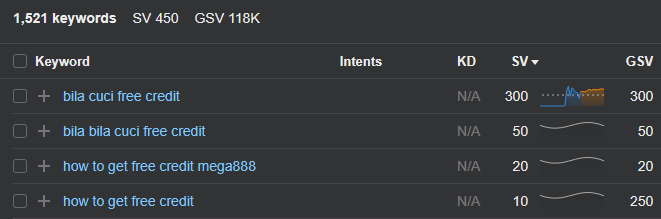 Using AHREFS matching terms to get more question-based keywords
 Here’s my process for uncovering high-value keywords:
- Start with Malaysian-specific search volume: Configure tools like Ahrefs or SEMrush to show Malaysian search volumes specifically. The differences from global volumes can be surprising!
- Incorporate language variations: Create separate keyword sets for English, Bahasa Malaysia, and if relevant to your audience, Chinese search terms. Don’t simply translate between them – each language has unique search patterns.
- Look for “Malaysianized” terms: Malaysian gamers often use unique hybrid terms combining English gaming terminology with local slang or sentence structures.
- Track emerging trends: Use Google Trends filtered to Malaysia to identify rising search patterns before they show significant volume in keyword tools.
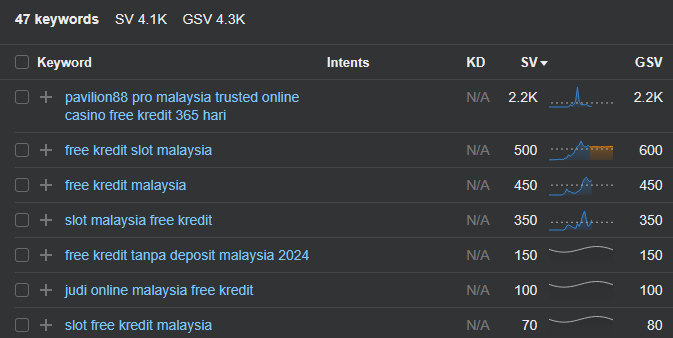 Using local slang & terms in Ahrefs can help you rank higher & connect better with your audience.
 On-Page SEO Best Practices
Gaming content needs special on-page optimization to rank well. I’ve seen many gaming sites fail because they ignore these fundamentals.
Title tags should include the game name and clear intent (e.g., “Best Slot Game Online Malaysia”). Meta descriptions need to highlight unique value while including relevant gaming terms.
Content structure matters enormously:
- Use H2s for main sections (like “Character Builds” or “Weapon Stats”)
- Include relevant screenshots and videos with proper alt text
- Bold key gaming terms and important information
Internal linking is powerful for gaming sites. Link related game guides, reviews, and news to keep visitors engaged.
I always ensure content includes factual information like game release dates, developer names, and accurate specifications to boost E-E-A-T signals.
Content Optimization Strategies
Content is where most gaming companies in Malaysia fall short. Here’s my framework for creating content that ranks and converts:
- Create location-specific content: Develop pages specifically addressing Malaysian gamers’ needs – like local tournament information, Malaysia-specific in-game events, or guides addressing common issues with Malaysian internet providers.
- Leverage local gaming terminology: Incorporate Malaysian gaming slang and terminology naturally in your content. This authenticity signals to both users and search engines that your content is locally relevant.
- Develop comprehensive game guides: In-depth guides targeting specific game elements consistently outperform general overview content. For example, character-specific guides or level walkthroughs generate more traffic than general game descriptions.
- Implement proper content hierarchy: Structure content with clear H1, H2, H3 tags that incorporate your target keywords naturally. Malaysian search patterns often include specific questions – make sure your headings address these directly.
- Optimize multimedia elements: Include locally relevant images and videos with proper alt text and schema markup. Content with engaging visuals has significantly higher engagement rates in the Malaysian market.
One content strategy that’s worked exceptionally well is creating comparison content between similar games, highlighting aspects that specifically matter to Malaysian players (such as ping rates to local servers, language options, or payment methods).
Technical SEO Challenges In Gaming Industry
Gaming websites face unique technical challenges. I’ve worked with sites that crashed during game launches or suffered from poor mobile experiences.
Page speed is critical. Gaming sites often have:
- Heavy images and videos
- Interactive elements
- Embedded streams
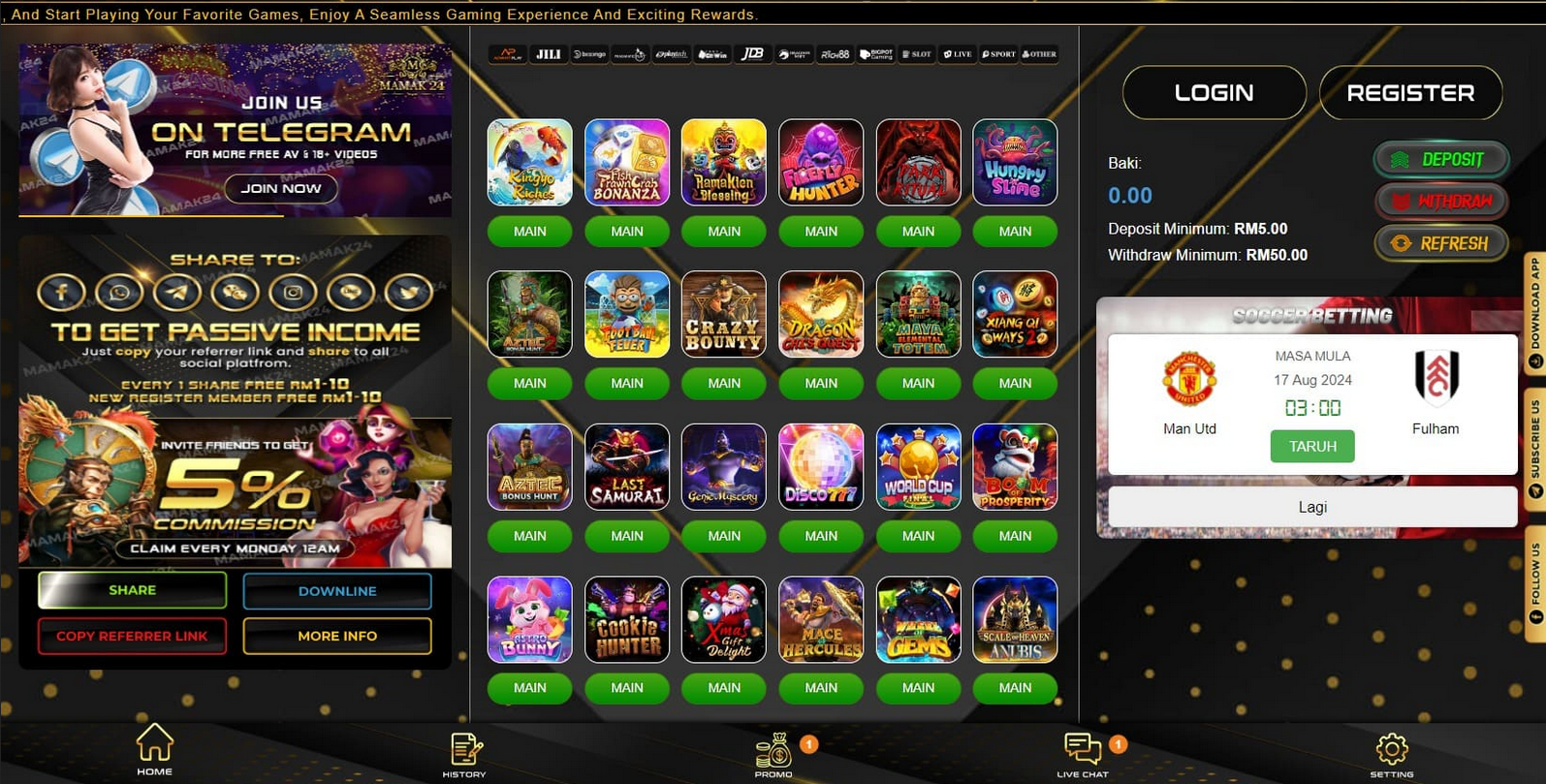 Example of very cluttered website design and user interface
 I recommend using next-gen image formats and implementing lazy loading for media-heavy pages. Gaming sites should also prioritize mobile optimization since many gamers research on phones.
Schema markup gives gaming sites an edge. Implementing VideoObject, HowTo, and Review schemas can earn rich snippets in search results. For game review sites, aggregate rating schema helps stand out.
JavaScript frameworks are common in gaming websites but can cause indexing issues. I ensure proper rendering by implementing dynamic rendering solutions and verifying crawlability through Google Search Console.
- Page speed optimization: This is absolutely critical in Malaysia, where connection speeds vary widely. Implement lazy loading for image-heavy pages, compress game assets, and consider AMP for news/update sections.
- Mobile-first indexing: With most Malaysian gaming searches happening on mobile, ensure your site is fully optimized for mobile-first indexing. This means responsive design, touch-friendly navigation, and content parity between mobile and desktop.
- Structured data implementation: Use gaming-specific schema markup to enhance your SERP appearances. This includes video game schema for your titles, review schema for ratings, and FAQ schema for common player questions.
- Core Web Vitals: Malaysian gamers have limited patience for poor site experiences. Focus particularly on Largest Contentful Paint (LCP) and Cumulative Layout Shift (CLS) metrics, which significantly impact gaming site performance.
When we implemented these technical optimizations for a major Malaysian gaming client, we saw a 43% increase in organic traffic within three months, and more importantly, a 27% improvement in page session duration – indicating better user engagement.
Paid Advertising Channels for Malaysian Gaming Companies
Paid media requires a specialized approach in the Malaysian gaming market. With diverse player preferences across mobile, PC, and console gaming, a one-size-fits-all strategy won’t cut it.
Here are some of the non-organic digital marketing channels that gambling website can take into account:
Google Ads Strategies
Optimize your Google Ads for the Malaysian gaming audience:
- Bid on competitor terms: Malaysian gamers actively compare games before downloading. Bidding on competitor keywords often yields high-intent traffic.
- Implement in-market audience targeting: Google’s in-market audiences for gaming are particularly effective in Malaysia, where interest categories are highly predictive of conversion.
- Create Malaysia-specific ad extensions: Use location, callout, and promotion extensions that reference Malaysian gaming pain points and opportunities.
- Adjust bidding by region and device: Performance varies significantly between major Malaysian cities and between device types. Set bid adjustments accordingly.
- Develop a YouTube TrueView strategy: YouTube has exceptional reach in Malaysia. We’ve found that skippable in-stream ads perform particularly well for gaming promotions when kept under 20 seconds.
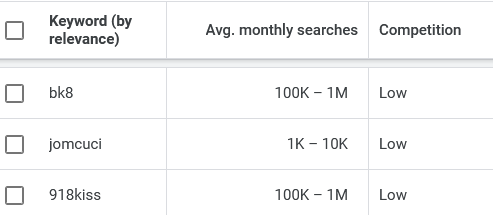 Keywords sample targeting popular competitors in gaming industry
 For a major mobile game launch, we created a Google Ads campaign specifically addressing Malaysian pain points like “lag-free gaming” and “works on all Malaysian networks” that outperformed the generic global campaign by 178% in terms of cost-per-install.
Social Media Advertising
Each platform requires a tailored approach:
- Facebook and Instagram: These platforms work best for acquisition in Malaysia. Create separate campaigns for awareness and conversion with distinct creative approaches.
- TikTok Ads: Rapidly becoming one of the most effective platforms for Malaysian gaming user acquisition, particularly for younger demographics. Focus on native-feeling creative that doesn’t disrupt the TikTok experience.
- Twitter Amplify: Partner with gaming content creators to extend the reach of their content through Twitter Amplify. This works particularly well during Malaysian esports events.
- Snapchat: Often overlooked but surprisingly effective for casual gaming promotion in Malaysia’s urban centers.
A mixed-platform approach typically yields the best results. For one client, we created a coordinated campaign across Facebook, Instagram, and TikTok that reduced their cost-per-acquisition by 42% compared to their previous single-platform strategy.
Retargeting Campaigns
Sophisticated retargeting is essential in the competitive Malaysian gaming market:
- Dynamic creative optimization: Use DCO to show different creative elements based on how users previously interacted with your game or ads.
- Sequential retargeting: Develop a narrative across multiple retargeting ads rather than showing the same creative repeatedly.
- Cross-platform retargeting: Implement consistent retargeting across multiple platforms to maintain message frequency without platform fatigue.
- Offer progression: Increase the value of offers in retargeting ads over time for users who haven’t converted.
- RLSA implementation: Use Remarketing Lists for Search Ads to capture high-intent searches from users who’ve already visited your site.
One particularly effective strategy was implementing a 30-day retargeting sequence for a battle royale game that showed progressively more compelling gameplay elements and incrementally better offers, resulting in a 28% conversion rate at the final stage of the sequence.
Acquisition And Retention Strategies
Getting players to download your game is only half the battle. The real challenge lies in keeping them engaged and coming back for more while converting them into paying customers.
User Acquisition Techniques
I’ve seen countless gaming companies burn through marketing budgets without proper strategy.
From my experience working with casino clients across Asia and the US, targeted advertising is essential. You need to find where your potential players hang out online.
App Store Optimization (ASO) should be your foundation. I always tell my clients to:
- Use relevant keywords in your title and description
- Create eye-catching icons and screenshots
- Gather positive reviews aggressively
- Test different app store copy regularly
Social media marketing works wonders when done right. My team has seen 40% higher conversion rates when we pair influencer partnerships with platform-specific content. TikTok and Instagram Reels are gold mines for mobile games in 2025.
Cross-promotion within your existing game portfolio costs almost nothing but delivers solid results.
One of my clients saw a 25% uptick in installs by simply adding banners to their established titles.
Retention Campaigns And Loyalty Programs
Once you’ve acquired users, keeping them engaged is crucial. I’ve helped gaming clients boost their retention rates by implementing daily login rewards that progressively increase in value.
Seasonal events and limited-time campaigns create FOMO (fear of missing out) that brings players back.
One casino app I worked with saw 35% of churned users return during their lunar new year event.
Loyalty programs work wonders in the gaming space. Consider these proven approaches:
- Tiered VIP systems with exclusive perks
- Points-based rewards that players can redeem
- Early access to new features or content
- Community recognition for loyal players
Personalization is key to retention. Use player data to send targeted push notifications based on their playing habits.
I’ve seen retention rates jump 28% when messages are tailored to individual gameplay patterns.
Mobile Marketing In The Gaming Sector
Mobile gaming has exploded in popularity, creating massive marketing opportunities for game developers and advertisers.
I’ve seen firsthand how proper mobile marketing strategies can make or break a game’s success in this competitive market.
Optimizing For App Store Discovery
App Store Optimization (ASO) is crucial for any mobile game’s visibility. Think of it as casino SEO specifically for mobile apps.
I’ve helped numerous gaming clients improve their ASO with these proven tactics:
- Keyword research: Use tools like App Annie or Sensor Tower to find high-volume, low-competition keywords relevant to your game
- Compelling title and description: Include primary keywords naturally while clearly explaining your game’s unique value
- Eye-catching icons and screenshots: First impressions matter! A/B test different visuals to see what converts best
One often overlooked ASO factor is user reviews. Actively encourage positive reviews from satisfied players and respond professionally to negative ones. This engagement signals to app stores that you’re an active, quality developer.
In-App Advertising Approaches
I’ve found that in-app advertising can be highly profitable when done right. The key is balancing monetization with user experience.
Nobody wants ads that constantly interrupt gameplay!
Rewarded video ads offer the best engagement in mobile games. Players voluntarily watch ads in exchange for in-game rewards like extra lives or currency. This creates a win-win situation where:
- Players get free rewards
- Developers generate revenue
- Advertisers reach engaged audiences
Interstitial ads work well between natural game transitions. Just be careful not to show them during critical gameplay moments. I’ve seen games lose players because of poorly timed ads.
For more premium games, consider native ads that blend with your game’s design. They’re less intrusive and maintain the immersive experience players expect from quality mobile games.
Advertising Solutions In Gaming
The gaming industry offers unique advertising opportunities that blend seamlessly with player experiences.
Today’s marketing solutions leverage both technology and creative approaches to reach gamers where they’re most engaged.
Programmatic Advertising For Gaming Brands
Programmatic advertising has revolutionized how I approach gaming marketing campaigns. Using AI and automation, these systems place ads in games that match player demographics and behaviors in real-time.
My clients typically see 30-40% higher engagement when we implement programmatic solutions.
Why? Because they reach the right players at the perfect moment. The key benefits include:
- Precision targeting based on player behavior
- Real-time bidding that optimizes ad spend
- Dynamic creative that adapts to different gaming environments
I’ve found that mobile games particularly excel with programmatic solutions. The technology can detect when players are most receptive—like between levels or after achievements—making ads feel less intrusive.
Native Advertising Integrations
Native advertising blends marketing messages directly into gameplay, creating authentic connections with players. These integrations feel like natural parts of the gaming world rather than interruptions.
From my experience working with casino clients, native ads generate about 8x more engagement than traditional display ads. Players actually appreciate well-designed integrations.
Here are the most effective native approaches I recommend:
- In-game billboards or signage
- Branded items or skins for characters
- Sponsored quests or challenges
- Brand-themed environments
The best native ads enhance rather than disrupt the gaming experience. For example, I helped a betting client create custom power-ups in a racing game that matched their brand colors and messaging. Players actively sought these items, creating positive brand associations.
Leveraging Data And Analytics
Data analytics has changed the game for digital marketers in the gaming industry.
I’ve seen firsthand how companies can transform raw player information into powerful marketing strategies that boost engagement and revenue.
Tracking User Behavior In Games
When I work with gaming clients, I always emphasize that tracking player behavior is marketing gold.
Modern games collect tons of data points – from playtime and purchase history to feature usage and social interactions.
My team typically helps developers implement:
- Session analytics: How long players stay engaged and when they drop off
- Heatmaps: Showing where players click, move, and focus attention
- Progression tracking: Identifying bottlenecks where players get stuck
This data helps us understand what players truly value. For example, I once worked with a mobile game that discovered 70% of their players were skipping tutorial sections. We redesigned the onboarding to be more interactive, which increased new player retention by 22%.
The real power comes when you connect in-game behavior with marketing touchpoints. I’ve built systems that track which ad campaigns bring in players who make in-game purchases versus those who just download and abandon.
A/B Testing For Campaign Optimization
I’m a huge advocate for A/B testing in gaming marketing campaigns. It removes guesswork and lets data guide our decisions.
Some crucial elements I regularly test include:
- Ad creative variations: Different images, videos, and copy to see what drives clicks
- Call-to-action buttons: Testing “Play Now” vs “Download Free” can yield surprising results
- Landing page layouts: Optimizing the journey from ad to installation
In a recent campaign for an online casino client, we tested five different ad headlines targeting mobile players. The winning version generated 35% more installs than the original.
The key is setting up proper testing frameworks. I always ensure:
- One variable changes at a time
- Sample sizes are statistically significant
- Test duration captures different user segments
With gaming’s competitive landscape, even small improvements from A/B testing can dramatically impact your bottom line.
Community Management For Game Growth
I’ve found that strong community management is the backbone of successful game marketing. It creates loyal players who become your best advocates and can dramatically boost player retention.
Building And Moderating Gaming Communities
Creating a thriving gaming community takes strategic planning and consistent effort.
I start by establishing clear community guidelines that promote positive interactions while discouraging toxic behavior. This foundation is crucial for long-term success.
When building communities for my gaming clients, I focus on:
- Creating dedicated spaces where players can share experiences, strategies, and feedback
- Appointing reliable moderators who understand the game and community culture
- Implementing moderation tools that catch problems before they escalate
I’ve seen firsthand how community-driven events boost engagement. Tournaments, special challenges, and AMA sessions with developers create memorable experiences that keep players coming back.
The most successful gaming communities I’ve managed have regular content schedules. Players know when to expect updates, events, and new content, which helps maintain steady engagement.
Engagement Through Discord And Forums
Discord has revolutionized how I manage gaming communities. Its real-time chat combined with voice channels creates the perfect environment for players to connect. My teams set up structured Discord servers with:
- Announcement channels for important updates
- Support sections for troubleshooting
- Role-based access to create special areas for veteran players
Forums still play a vital role in community building despite being older technology. They excel at organizing discussions by topic and preserving valuable knowledge that might get lost in fast-moving Discord conversations.
Segmentation Strategies for Malaysian Gamers
Effective email marketing requires sophisticated segmentation:
- Game progress levels: Segment players based on their advancement in your game to deliver relevant tips and offers.
- Purchase behavior: Create distinct segments for non-spenders, occasional spenders, and high-value players.
- Regional segmentation: Even within Malaysia, player behaviors differ between urban centers like KL and Penang versus smaller cities and rural areas.
- Playtime patterns: Segment based on when and how long users typically play – weekend warriors versus daily active players.
- Language preference: Maintain separate segments for users who prefer communications in English, Bahasa Malaysia, or Chinese.
When we implemented advanced segmentation for a mobile RPG client, their email conversion rates increased by 67%, simply because we were sending more relevant content to each player segment.
I recommend implementing cross-platform strategies. When we launch a new feature discussion on Discord, we’ll create a companion thread on forums for deeper conversations. This approach catches different player preferences and maximizes engagement across platforms.
Regular community manager presence is non-negotiable. When players see staff actively participating, they feel valued and heard. This increases their investment in the game’s success.
Compliance And Ethical Marketing
Marketing in the gaming industry comes with significant ethical responsibilities and regulatory challenges.
I’ve seen firsthand how navigating this complex landscape can make or break a gaming company’s reputation and bottom line.
Regulations Impacting Gaming Marketing
When I started my SEO agency, I quickly learned that gaming marketing operates under strict regulatory frameworks that vary by region.
Age restrictions are perhaps the most universal concern, with most jurisdictions requiring clear age verification processes.
In my work across Asia and the US, I’ve noticed data protection laws like GDPR in Europe and CCPA in California have transformed how gaming companies collect and use player data.
Non-compliance can result in massive fines – I’ve seen companies pay millions for violations!
Gambling-specific regulations are particularly tricky. Each country (and sometimes individual states) maintains different rules about:
- Advertising content limitations
- Mandatory responsible gambling messages
- Restrictions on bonus offers
- Specific times when ads can run
These regulations change frequently, so my team constantly monitors updates to keep clients compliant.
Responsible Marketing To Minors
I’m particularly passionate about ethical marketing to younger audiences. The gaming industry must self-regulate beyond just legal requirements.
My approach always includes age-gating content and avoiding marketing tactics that appeal specifically to minors. Some best practices I recommend to clients include:
- Robust age verification: Malaysia has strict regulations about marketing to minors. Implement appropriate age gates and verification processes.
- Clear content ratings: Ensure your game and marketing materials clearly display age ratings consistent with Malaysian standards.
- Responsible gaming features: Implement play-time limits, spending controls, and self-exclusion options – increasingly important as Malaysia scrutinizes gaming addiction.
- Parental controls: Offer comprehensive parental control features, especially for games that might appeal to younger players.
- Educational content: Provide resources about healthy gaming habits, particularly important in Malaysia where gaming addiction concerns are growing.
The rise of influencer marketing presents new challenges. I advise gaming clients to ensure their sponsored streamers and content creators maintain appropriate audiences and messaging.
Future Regulatory Considerations
Stay ahead of evolving regulations:
- Monitor policy developments: Malaysia’s digital regulations are evolving rapidly. Stay informed about proposed changes that could affect gaming marketing.
- Industry association participation: Consider joining relevant Malaysian industry groups that advocate for balanced regulation.
- Prepare for increased data localization: Malaysia is likely to strengthen requirements for local data storage and processing in coming years.
- Alternative payment regulations: Keep an eye on evolving regulations around e-wallets and cryptocurrencies, which are gaining popularity in Malaysia.
- Influencer marketing guidelines: Expect more formal regulations around influencer disclosures and endorsements.
By proactively implementing disclosure guidelines for our influencer campaigns, one client avoided complications when Malaysia’s regulatory body increased scrutiny of influencer marketing practices.
Research shows that early exposure to gambling content can lead to problematic behaviors later in life.
That’s why I believe responsible marketing isn’t just about following rules – it’s about building sustainable businesses that don’t exploit vulnerable populations.
Emerging Trends In Digital Marketing For Gaming
The gaming industry is witnessing revolutionary changes in how marketers connect with audiences.
Digital marketing strategies are evolving rapidly to keep pace with new technologies and shifting player behaviors.
The Rise Of Esports Marketing
Esports has exploded from niche competitions to mainstream entertainment, creating massive marketing opportunities.
I’ve seen firsthand how brands are diving into this space with creative strategies that were unimaginable just a few years ago.
The numbers don’t lie – global esports viewership is projected to exceed 640 million by the end of 2025.
This audience is highly engaged and represents a goldmine for marketers who understand the space. Key esports marketing approaches that are working right now:
- In-game advertising during live tournaments
- Team and player sponsorships with authentic integration
- Branded content that respects the gaming culture
- Tournament naming rights and exclusive partnerships
What makes esports marketing unique is the audience’s resistance to traditional advertising. They respond to brands that contribute value to the community rather than just displaying logos.
NFTs And Blockchain Integration
Blockchain technology is transforming gaming marketing through unique digital ownership opportunities.
I’ve helped several gaming clients implement NFT strategies that have dramatically increased player engagement and revenue.
NFTs allow gamers to truly own in-game assets, creating new monetization channels for game developers and marketers alike. Players can buy, sell, and trade items across different games and platforms.
Successful blockchain marketing strategies in gaming include:
- Limited edition character skins as NFTs
- Play-to-earn mechanics that reward engagement
- Cross-game asset compatibility
- Exclusive access tokens for premium content
The most innovative gaming companies are creating entire economies around digital ownership.
This isn’t just about collectibles – it’s about building lasting value and community engagement through verifiable scarcity.
Metaverse Opportunities
The metaverse represents the next frontier for gaming marketing, blending virtual worlds with real-world brand experiences.
I’m particularly excited about how this space is evolving beyond simple product placement.
In these immersive environments, traditional marketing boundaries disappear.
Brands can create interactive experiences that would be impossible in physical spaces or conventional digital ads. Effective metaverse marketing approaches include:
- Virtual storefronts where players can purchase physical goods
- Brand-sponsored in-world events and concerts
- Interactive product demonstrations in virtual spaces
- Limited-time experiences that create FOMO
What’s fascinating about metaverse marketing is how it blurs the line between entertainment and commerce.
When done right, these experiences don’t feel like marketing at all – they enhance the player’s experience while naturally showcasing brand values.
Challenges And Future Opportunities
As I’ve helped countless gaming clients navigate the digital marketing landscape, I’ve noticed several key challenges facing the industry today. Game development has become increasingly complex, requiring more time and resources than ever before.
The gaming industry is currently facing some tough realities. Many studios are dealing with project delays, layoffs, and some are even shutting down completely. These challenges directly impact marketing strategies and budgets.
Despite these challenges, I’m seeing incredible opportunities on the horizon:
- Technological advancements – VR, AR, and cloud gaming open new marketing channels
- Esports expansion – Growing competitive gaming scene creates sponsorship possibilities
- Community building – Direct engagement with players through platforms like Discord
- Data-driven strategies – Better player behavior analysis for targeted campaigns
- Mobile gaming will continue dominating, but with increasingly sophisticated experiences that blur the line between mobile and PC gaming.
- Local game development will flourish, creating more competition but also more opportunities for partnerships.
Measuring ROI on gaming campaigns isn’t straightforward. Unlike my casino clients where conversion tracking is clearer, gaming marketing efforts often take time to show results, making it harder to justify spending to stakeholders.
The key to success is adaptability and staying ahead by exploring technologies that gaining traction in the gaming industry. Some of it includes:
- Voice search optimization becomes increasingly important as more Malaysian gamers use voice commands.
- AR/VR experiences will create new marketing opportunities, particularly in urban Malaysian centers.
- Blockchain and play-to-earn models are finding receptive audiences in Malaysia’s tech-savvy communities.
- 5G expansion will transform game streaming and cloud gaming viability across Malaysia.
- AI-driven personalization will become standard for game experiences and marketing communications.
I’ve helped my clients at 1BRAND navigate similar challenges in the casino space by constantly evolving our approach and embracing new technologies.
Brand safety remains essential, especially for those in regulated industries like gaming and gambling. My team always ensures our clients maintain compliance while maximizing visibility.
Final Thoughts
Success in Malaysia’s gaming market requires a deep understanding of local nuances combined with global best practices.
Whether you’re marketing a mobile casual game, a competitive PC title, or an immersive console experience, these strategies provide a foundation for connecting with Malaysian players authentically.
The most important advice I can offer is to treat Malaysia as the unique market it is, rather than simply applying global marketing playbooks. Invest in understanding the cultural context, technological landscape, and player motivations specific to Malaysia.
What makes this market so exciting is its dynamic nature – Malaysian gamers are simultaneously deeply connected to their cultural identity and enthusiastically participating in global gaming trends. This creates a marketing environment that rewards creativity, cultural sensitivity, and technical excellence.
I’d love to hear about your experiences marketing games in Malaysia.
What strategies have worked for you? What challenges have you faced?
Drop a comment below or reach out directly – I’m always looking to learn from others in this fascinating space.